
Fishing Guides
Learn about each species, where they live, what they eat, and how to catch them.
Largemouth Bass

Largemouth are structure-oriented ambush predators. Vegetation, wood, shade and shallow cover often matter as much as the lure itself.
Think about: cover, fish position, bluegill/sunfish forage, crawfish, frogs and how cleanly the lure can move through the area.
Smallmouth Bass

Smallmouth commonly relate to rock, points, breaks and open-water forage. Bottom-oriented fish can call for completely different presentations than suspended fish.
Think about: rock type, bottom contact, goby/crawfish forage and whether fish are suspended over deeper structure.
Walleye
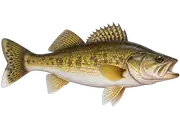
Walleye location and feeding can shift with light, depth and forage availability. Minnows and baitfish are a broad starting point, while perch and other forage become more important when conditions support them.
Think about: fish depth, low-light periods, structure, suspended bait and whether fish are bottom-oriented or roaming.
Northern Pike

Pike are ambush predators that often use vegetation, edges and open-water bait. They can respond to both realistic prey profiles and vibration or flash.
Think about: weeds, baitfish size, visibility and whether the fish are holding shallow or following larger forage.
Muskie

Muskie are large predators, but they still respond to the entire fishing situation. Forage, fish location, speed and presentation all matter.
Think about: big baitfish, open-water forage, weed edges, rock and whether you're covering water or targeting a specific fish.
Lake Trout

Lake Trout are strongly influenced by cold-water habitat, depth and pelagic forage. Temperature becomes more useful here than it is for many other species.
Think about: water temperature, thermocline depth, suspended fish, cisco/smelt/alewife and deep-water presentation control.
Crappie
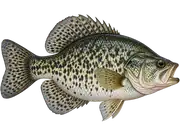
Crappie often suspend around cover or bait schools. They commonly feed upward, so presentation height can be as important as lure style.
Think about: exact sonar depth, keeping the bait slightly above the fish and matching small minnows or invertebrates.
Bluegill

Bluegill often feed on very small prey. Lure size, subtle movement and access to vegetation or cover matter more than big-profile presentations.
Think about: tiny jigs, insects, larvae, micro-prey and whether larger fish are holding deeper than the smaller school.
Yellow Perch
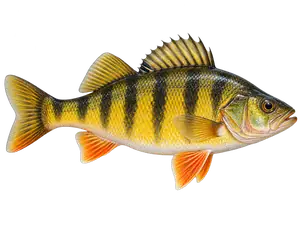
Yellow Perch commonly school around flats, weeds and bottom structure. Their diet can include both small fish and invertebrates.
Think about: bottom proximity, school depth, daylight, small minnows and invertebrate forage.
Channel Catfish

Channel Catfish are different from most species in QuickLure IQ. Scent, bottom access and current position can matter more than exact visual colour.
Think about: cut bait, worms, crayfish, deep holes, current seams and bottom/still or drifting presentations.
Match the Hatch
Matching the hatch means choosing a lure or bait that resembles what predators are likely feeding on, while still fitting the depth, structure and presentation.
QuickLure principle: observed forage matters. If you know what the fish are eating, use that information.
Fish Position
Total water depth does not tell you where the fish are. A fish suspended halfway down the water column needs a different approach than one sitting on bottom.
QuickLure principle: keep the presentation where the fish can actually intercept it.
Water Visibility
Visibility affects how much realism, flash, contrast and vibration may be useful. The app uses how far you can see your lure instead of relying only on vague water-colour labels.
QuickLure principle: forage sets the base look, visibility helps refine it.
Lure Colour & Finish
The best colour is not just a species choice. It depends on forage, water visibility, available light, presentation depth and the type of lure being used. Clear, bright conditions often favour natural or translucent looks, while reduced visibility can make contrast, flash or stronger accents more useful.
Material matters too. A soft plastic may use body colour, flake and a tail accent, while a crankbait can use translucency, foil or a painted pattern. Spinnerbaits and spoons use skirt, blade or metal finish in different ways.
QuickLure principle: choose the lure for the fishing situation first, then configure its colour and finish for the conditions.
Water Temperature
Temperature can influence fish location and activity, especially for cold-water species. It is optional because not every angler knows it.
QuickLure principle: useful when known, ignored when not known.
Structure and Cover
Rock, weeds, wood, flats, breaks and open water influence where fish hold, what they feed on and which lures can be fished effectively.
QuickLure principle: structure affects both fish behaviour and presentation choice.
Weather and Light
Weather and light matter, but they are not magic switches. They work together with forage, depth, visibility, structure and species behaviour.
QuickLure principle: use the whole fishing situation, not one fishing cliché.
Build a Trip